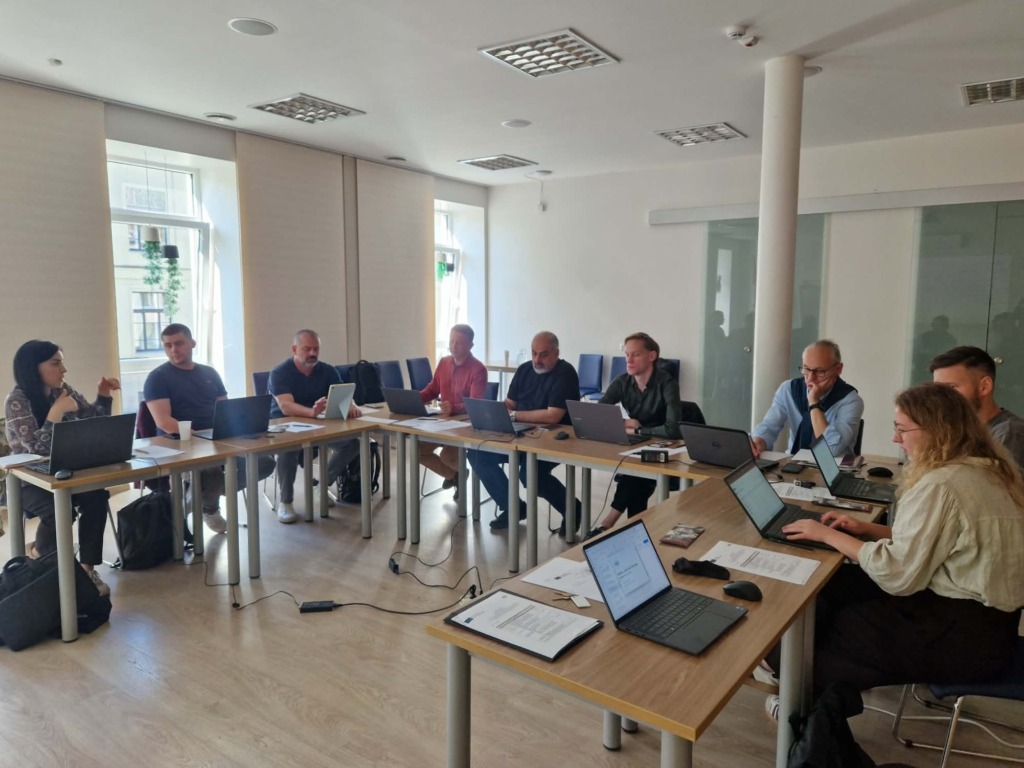
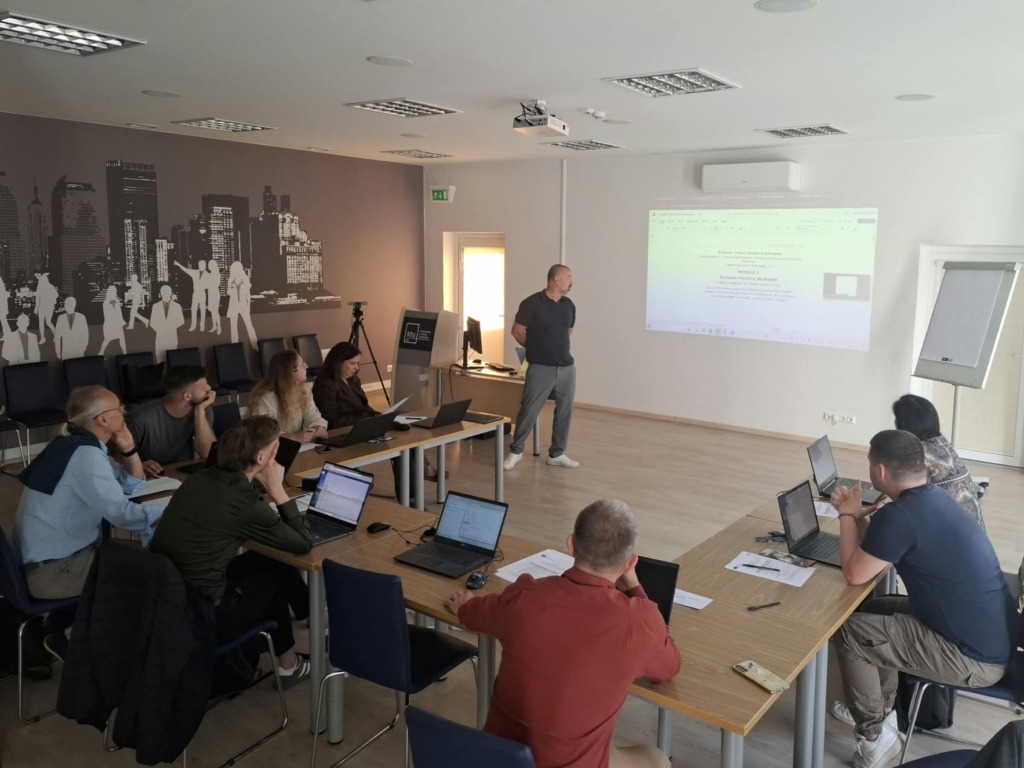
The second transnational partner meeting provided an opportunity to review the progress made during the first year of implementation, coordinate upcoming activities and further strengthen cooperation among the project partners. A major focus of the meeting was the training material being developed within the project. Each partner presented the training modules created for educators, while the interactive activities complementing the modules were demonstrated and practically tested.
Partners also discussed the facilitators’ guide currently being prepared and planned the upcoming train-the-trainer seminars. These activities will help bring the project materials to lecturers, student-support specialists and other higher education professionals working with student integration and well-being.
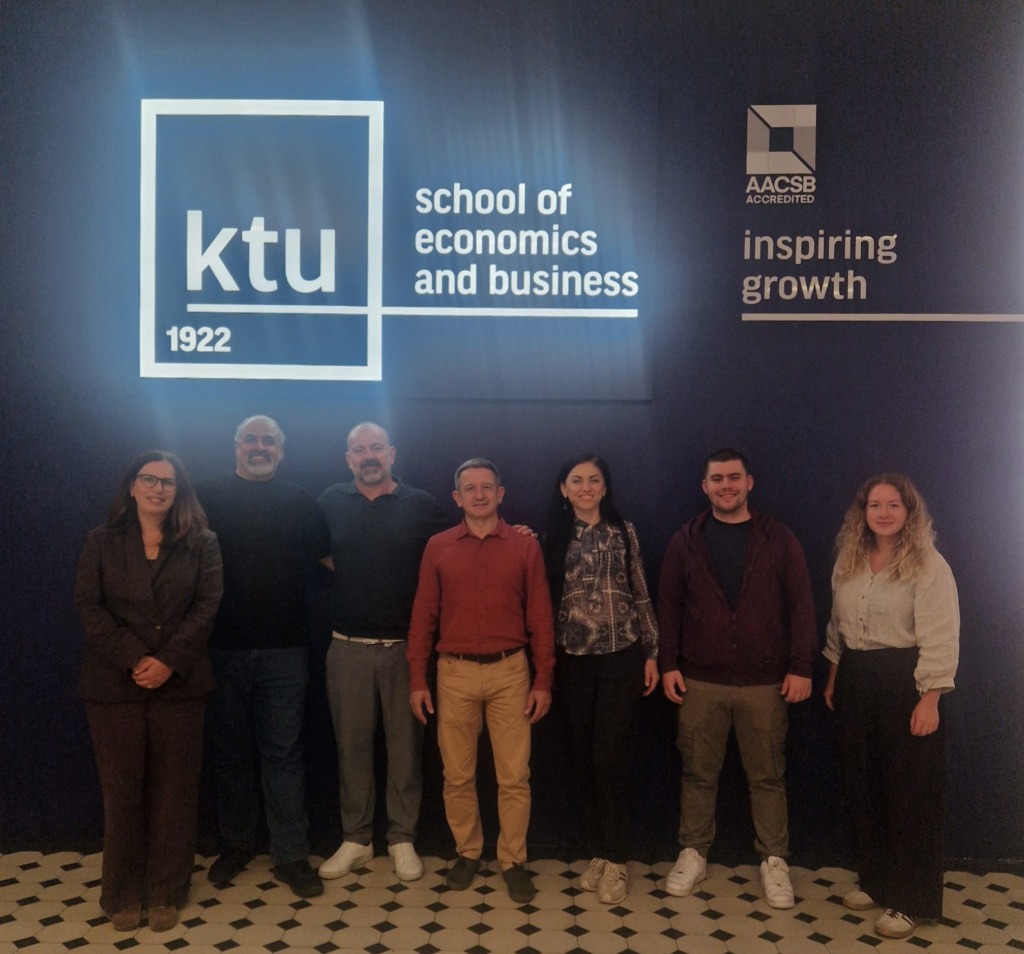
In Lithuania, the project is implemented by the KTU School of Economics and Business. The KTU team has developed a training module focusing on psychosocial support in higher education institutions and the implementation of student well-being initiatives. Alongside the working sessions, the project partners had an opportunity to experience the atmosphere of Kaunas and explore the city. Informal exchanges also helped strengthen cooperation within the international project team.
During the next stage of the project, partners will continue refining the training materials and interactive activities, developing the facilitators’ guide and preparing for the upcoming train-the-trainer seminars. The materials, tools and resources developed so far, as well as the latest information about project activities, are available on the regularly updated project website. The website provides partner news, information about upcoming activities and events, and project results.
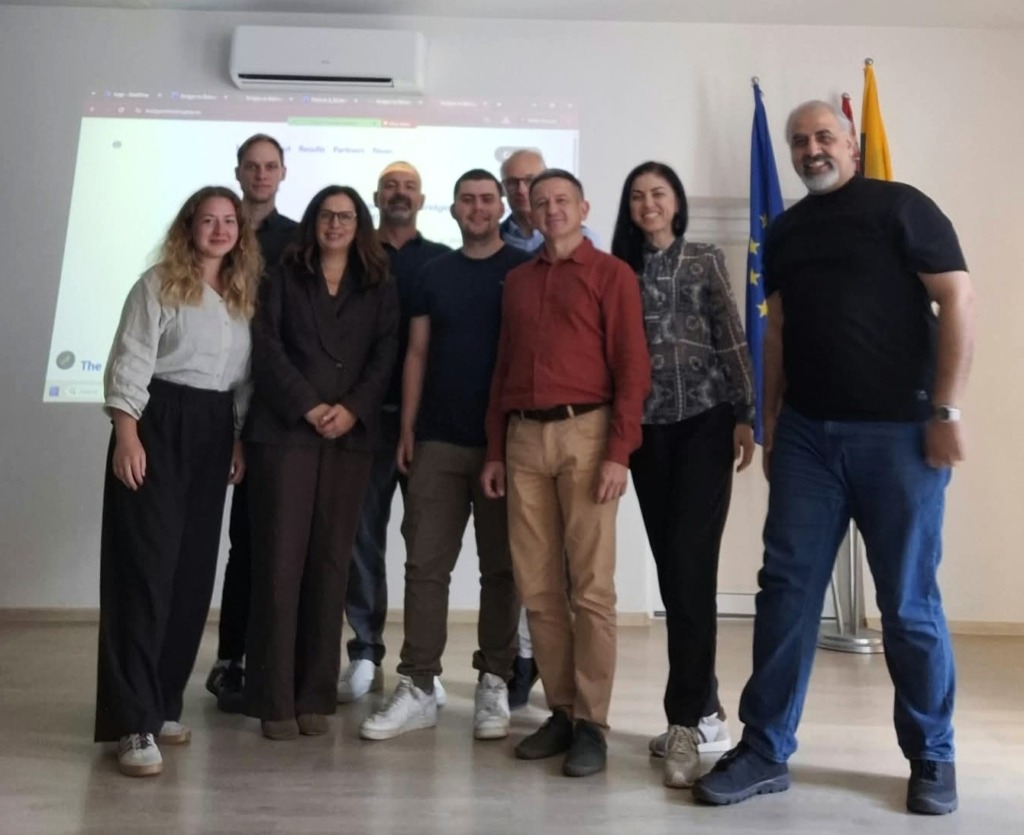
Project team in Lithuania: Prof. Dr Aušra Rūtelionė, Dr Rita Markauskaitė, and university psychologist Eimantas Lukoševičius.
More about the project: https://bridgestobelonging.eu/newsletters

Funded by the European Union. Views and opinions expressed are however those of the author(s) only and do not necessarily reflect those of the European Union or the European Education and Culture Executive Agency (EACEA). Neither the European Union nor EACEA can be held responsible for them.
Grant Agreement No. 2025-1-PL01-KA220-HED-000357344